
“Is mindfulness really effective?”
“Isn’t it just about feeling good for a moment?”
If you’ve ever asked those questions, you’re not alone.
The truth is:
✅ Yes, mindfulness has real, measurable benefits.
Over the past few decades, neuroscience and psychology researchers have found that mindfulness impacts your brain and body in powerful, observable ways.
Let’s explore 5 evidence-based benefits of mindfulness meditation.

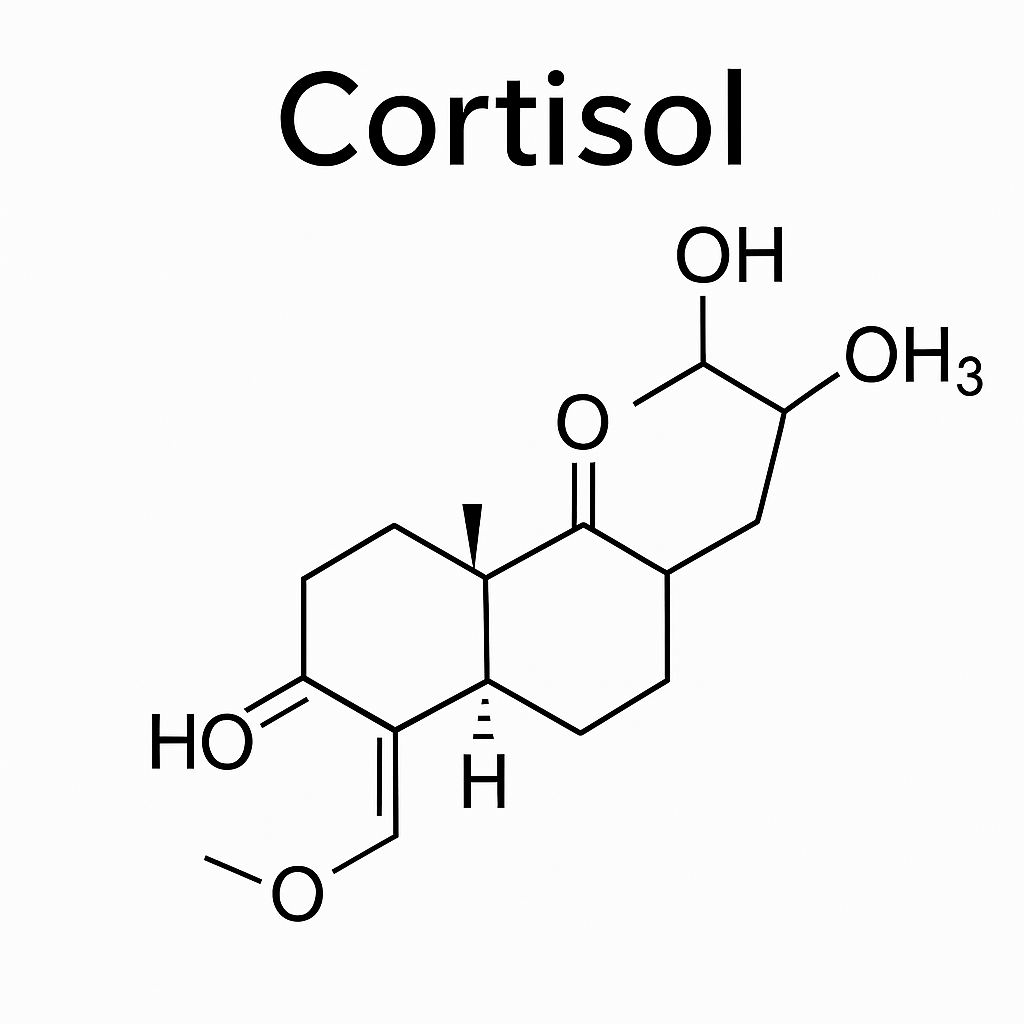
1. 🧪 Lowers Cortisol: The Stress Hormone
📖 Source: JAMA Internal Medicine, 2014
Cortisol is your body’s primary stress hormone. It spikes when you’re anxious or overwhelmed — and stays high during chronic stress.
But here’s the good news:
People who practiced mindfulness for just 8 weeks showed significantly reduced cortisol levels compared to those who didn’t.
That means:
- Reduced mental pressure
- Lower physical stress response
- Better emotional balance
🧘 Mindfulness won’t eliminate stress —
but it changes how your body responds to it.
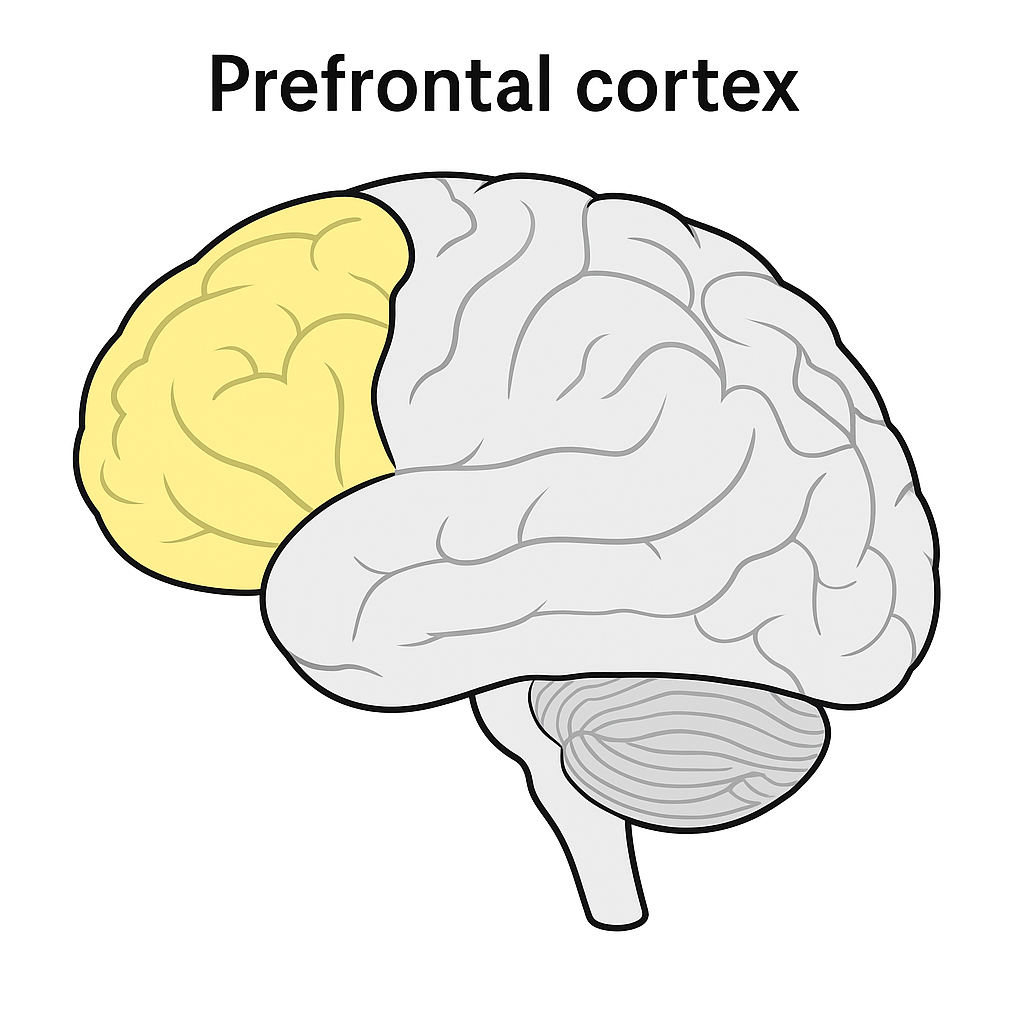
2. 🧠 Reshapes the Brain: Stronger Prefrontal Cortex
📖 Source: Hölzel et al., Psychiatry Research, 2011
An MRI study found that participants in an 8-week mindfulness program had:
- Increased gray matter in the prefrontal cortex (linked to emotional regulation and decision-making)
- Reduced activity in the amygdala (the brain’s fear center)
In short:
- Better self-control
- Less emotional reactivity
- Greater mental clarity under pressure
The more you practice, the more your brain re-wires itself.
3. 😌 Reduces Anxiety and Depression
📖 Source: American Psychological Association, 2010
Mindfulness helps manage:
- Mild depression
- Generalized anxiety
- PTSD symptoms
Research shows it’s not a replacement for medication, but a powerful complement to it — with no side effects.
Even a few minutes a day can noticeably reduce everyday stress and emotional discomfort.

4. 🛡️ Boosts Your Immune System
📖 Source: Davidson et al., Psychosomatic Medicine, 2003
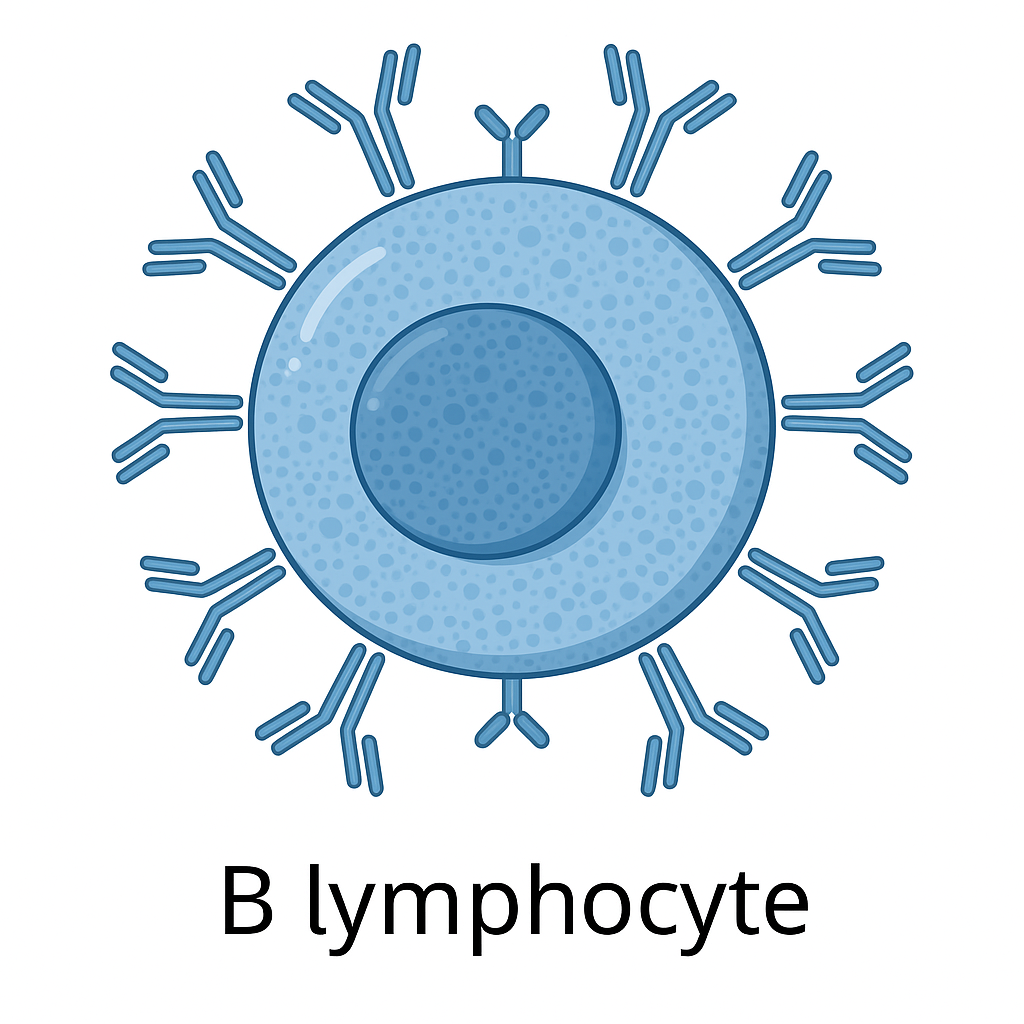
In one study, people who practiced mindfulness had stronger antibody responses after receiving the flu vaccine.
Why?
- Mindfulness lowers stress
- Less stress → more balanced autonomic nervous system
- A calmer nervous system → better immune function
Your mind directly influences your body’s defenses.
5. 😴 Improves Sleep Quality
📖 Source: Journal of Behavioral Medicine, 2015
Participants who practiced mindfulness:
- Fell asleep faster
- Woke up less during the night
- Felt more refreshed in the morning
Especially helpful for:
- Adults with insomnia
- People relying on sleep aids
- High-performers under chronic stress
Just 10 minutes of mindfulness before bed can make all the difference.

🌿 Final Thoughts
Mindfulness is not just a trend or a “feel-good” exercise.
It’s a scientifically validated mental training that transforms how your brain and body respond to life.
You don’t need special tools or hours of free time.
Just start with this:
“Take one mindful breath.
Notice the inhale. Notice the exhale.
That’s it. You’ve already started.”
🧘♂️ Start small. Stay consistent. Your future self will thank you.